

































In the textile world, materials that offer both naturalness and aesthetics together are always at the forefront. Viscose fabric, with its plant-based structure and comfort of use, is one of the leading materials. This fabric type, which has a cellulose-based structure, derives its raw material from tree species such as beech. It is obtained by converting natural cellulose into a liquid form and then into fibers during the production process. Thanks to this feature, viscose is distinguished from completely artificial synthetic fabrics and offers the user a more natural touch. The fact that viscose fabric models are encountered in a very wide range of areas today, from the fashion sector to home textiles, is a result of the advantages the material offers.
By its nature, viscose shares similarities with cotton; however, it exhibits a more elegant stance in terms of brightness and softness, as seen in silk viscose fabric variations. Its high moisture absorption capacity and breathable structure make this fabric indispensable, especially in hot weather. Viscose-cotton fabric blends, on the other hand, maximize both durability and softness by bringing together the best properties of both fibers.
Characteristics of Viscose Fabric
The physical and technical qualities of viscose fabric are the fundamental elements that distinguish it from other fabric types. Viscose fabric is known for its smooth surface felt upon touch and its draped structure. When viscose fabric properties are examined, the high absorbency of the material comes first. These fibers, which have a higher moisture-retention capacity compared to cotton, are successful in balancing body temperature and removing moisture. The general characteristic features of the fabric can be listed as follows:
• It does not cause sweating and keeps you cool thanks to its high moisture absorption capacity.
• Its air permeability is high, which allows the skin to breathe.
• Since it is produced from natural cellulose, it is skin-friendly and does not cause static electricity.
• It has an excellent dye-retention property; this ensures that colors appear more vivid and bright.
• It has a draped and elegant structure, softly following the body contours.
• It has a smooth texture, which creates a slippery and comfortable feeling on the skin.
These features make viscose a popular choice, especially in women's clothing and stylish designs. In patterned variations such as striped viscose fabric, the clarity of colors and the sharpness of patterns stem from the fiber structure's homogeneous acceptance of the dye. Although the elasticity of the fibers is lower than that of cotton, models endowed with flexibility through modern weaving techniques are also available on the market.

Usage Areas of Viscose Fabric
The versatile nature of viscose allows it to find an extensive place across different sectors and product groups. The softness of its texture and its draped elegance offer textile designers a wide scope to showcase their creativity. It is possible to encounter traces of viscose everywhere, from daily wear to the most sophisticated evening gowns. The primary usage areas of viscose fabric can be explained through the following points:
- Apparel: It is heavily utilized in pieces that require a draped look, such as blouses, dresses, skirts, and tunics.
- Underwear & Loungewear: Due to its soft texture and breathable nature, it is highly preferred in the production of pajamas and nightgowns.
- Lining Production: Thanks to its slippery surface, it is frequently applied as the inner lining for jackets and coats.
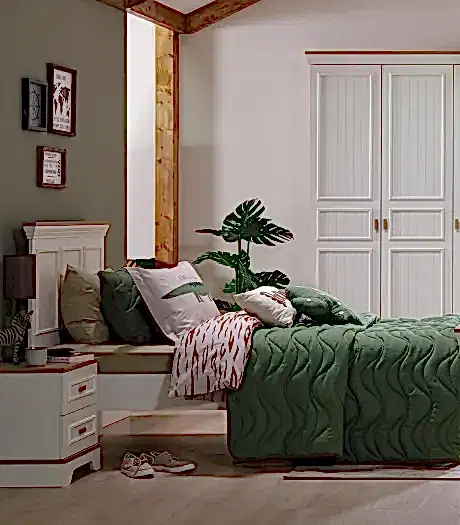
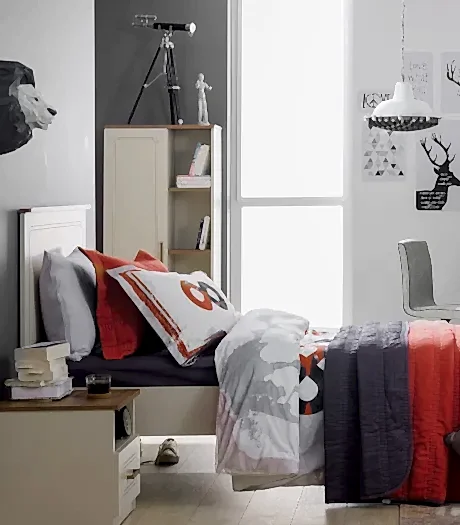
- Home Textiles: It creates an aesthetic option for bedding sets, curtains, and lightweight tablecloths.
- Accessories: It is preferred for accessories like scarves, shawls, and foulards due to its vivid color presentation.
- Bedding and Sleep Products: Viscose fibers are among the most preferred materials for the top surface coatings and covers of mattresses. Thanks to its high moisture absorption capacity and breathable structure, it balances body temperature during sleep, prevents sweating, and helps create a healthier, uninterrupted sleep environment.
- Upholstery Furniture Designs: In the furniture sector, viscose is used in the production of luxury upholstery fabrics, particularly by blending it with fibers like linen and cotton. While providing furniture with a silky luster and a soft touch, it enhances the aesthetic value of the environment.
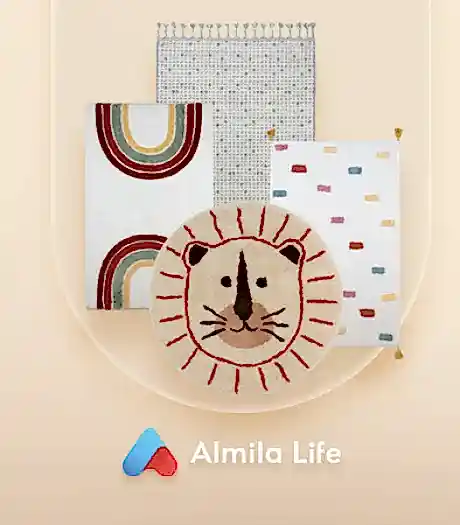
- Decorative Rugs and Carpets: Viscose fibers, also referred to as "artificial silk," have a special place in carpet weaving. Its shiny structure allows for eye-catching patterns in rugs and increases indoor comfort with its soft texture.
- Elegant and Draped Curtains: The natural draped structure of viscose is ideal for curtains that exhibit an elegant stance on windows. Thanks to its light-reflecting properties, it helps spaces look brighter and more spacious.
Viscose-cotton blends are used to increase durability, especially in t-shirts and sportswear products. The stylish appearance of the fabric allows silk viscose options to find a place even in evening wear. For a material with such a wide range of use, how it should be maintained and cleaned by the end consumer becomes equally important.
Tips for Cleaning Viscose Fabric
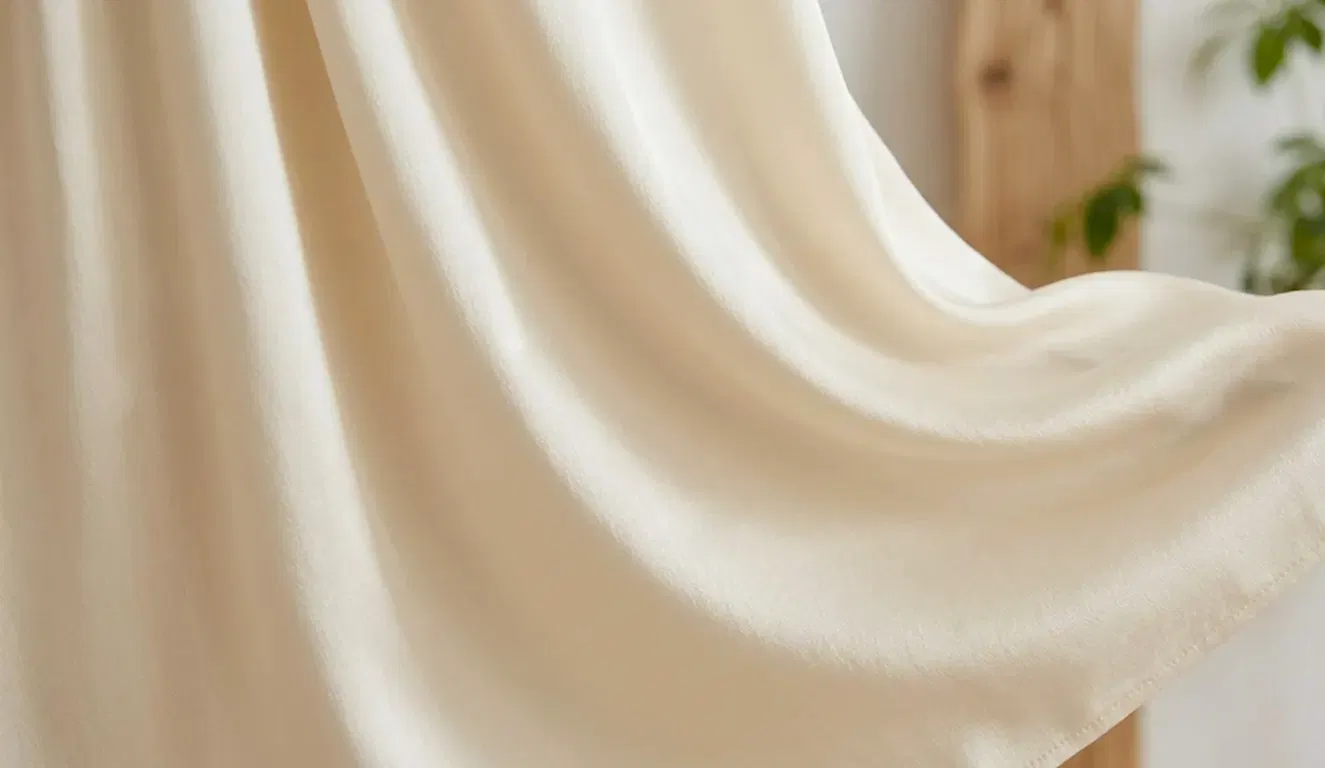
Since viscose has a delicate fiber structure, it requires a careful approach during the cleaning stage. Incorrect washing methods may cause the fabric to lose its shape or undergo changes in size. Paying attention to the water temperature and the type of detergent used while cleaning viscose fabric models will extend the life of the product. Generally, hand washing or using the delicate programs of washing machines is recommended.
It is a critical rule that the water temperature does not exceed 30 degrees during the washing process. High heat can lead to the contraction of cellulose fibers and, consequently, cause the fabric to shrink. Performing the spinning process at the lowest speed, or not at all if possible, prevents mechanical damage to the fibers. The drying process should be done by laying the fabric flat in an area not exposed to direct sunlight. Hanging to dry may cause the fabric to stretch out of shape due to the weight it gains when wet.
Differences Between Viscose Fabric and Viscose
Since viscose fabric is produced from cellulose, a natural raw material, it generally does not contain substances harmful to human health. The probability of it causing allergic reactions on the skin is much lower compared to completely synthetic fabrics. For those concerned about whether viscose fabric is harmful, its breathable structure and lack of static electricity accumulation are important factors of reliability.
However, due to the chemical processes used during production, individuals with sensitive skin are advised to wash the products they purchase before use. Cleaning residues left over from dyeing and finishing processes ensures the fabric reaches its purest and safest state. Viscose produced in accordance with ecological standards is a highly reliable material in terms of the environment and human health.

Frequently Asked Questions
Does Viscose Fabric Make You Sweat?
Viscose is a non-sweating fabric thanks to its high moisture absorption capacity. With its ability to hold more water than cotton, it quickly absorbs sweat from the body and expels it. Its high air permeability allows the skin to breathe, keeping the user cool, especially in hot weather.
Does Viscose Fabric Shrink?
Due to its natural cellulose structure, viscose can shrink in high heat or with incorrect washing. To prevent this, it is recommended to avoid water temperatures above 30 degrees Celsius and tumble dryers. When correct washing instructions are followed, the fabric maintains its form.
Is Viscose Fabric Nylon?
No, viscose is definitely not nylon. Nylon is a synthetic fiber derived from petroleum; viscose is a plant-based fabric produced from wood cellulose. While viscose breathes and absorbs sweat, nylon does not possess these properties.
Is Viscose Fabric Stretchy?
Pure viscose fabric does not have high elasticity in its natural state. However, many viscose fabric models on the market contain 3% to 5% elastane (lycra). These blends allow the fabric to adapt to the body shape and stretch.
Does Viscose Fabric Wrinkle?
Yes, viscose tends to wrinkle quickly due to its soft and fine-fiber structure. This is an indicator of the fabric's naturalness. Wrinkles can be easily smoothed out in seconds with a low-heat ironing process or steam.
What Kind of Fabric is Viscose?
Viscose has a soft, smooth, and draped structure. Its appearance is reminiscent of silk, and its comfort of use is reminiscent of cotton. It is skin-friendly, does not cause static electricity, and reflects colors very vividly thanks to its shiny surface.
Is Viscose Fabric Harmful?
Since viscose is produced entirely from natural wood cellulose, it is not harmful to human health. Because it allows the skin to breathe, it minimizes the risk of allergic reactions. Unlike synthetic fabrics, it is a healthy and reliable textile material compatible with the body.
Can Viscose Fabric Be Worn in Summer?
Yes, viscose is one of the most ideal fabrics to wear during the summer months. With its thin texture and sweat-absorbing properties, it keeps the body cool on hot days. It is a top choice for products such as summer dresses, blouses, and shawls due to its comfort.
Does Viscose Fabric Require Ironing?
Since it is a fiber prone to wrinkling, viscose fabrics generally require ironing. To remove marks formed after washing and to regain the draped elegance of the fabric, low-heat ironing is recommended. Ironing the fabric on the reverse side prevents the risk of shining.
Viscose is one of the most valuable materials in the modern textile world with its natural structure and high comfort of use. When combined with correct maintenance techniques and conscious use, viscose fabric models produced from this material offer both an aesthetic and healthy clothing experience. This type of fabric, which lets the skin breathe, traps moisture, and adapts to every style with its elegant stance, will continue to remain an indispensable piece in wardrobes for many years.
You May Also Be Interested In:→ What is a Sconce and Where is it Used?